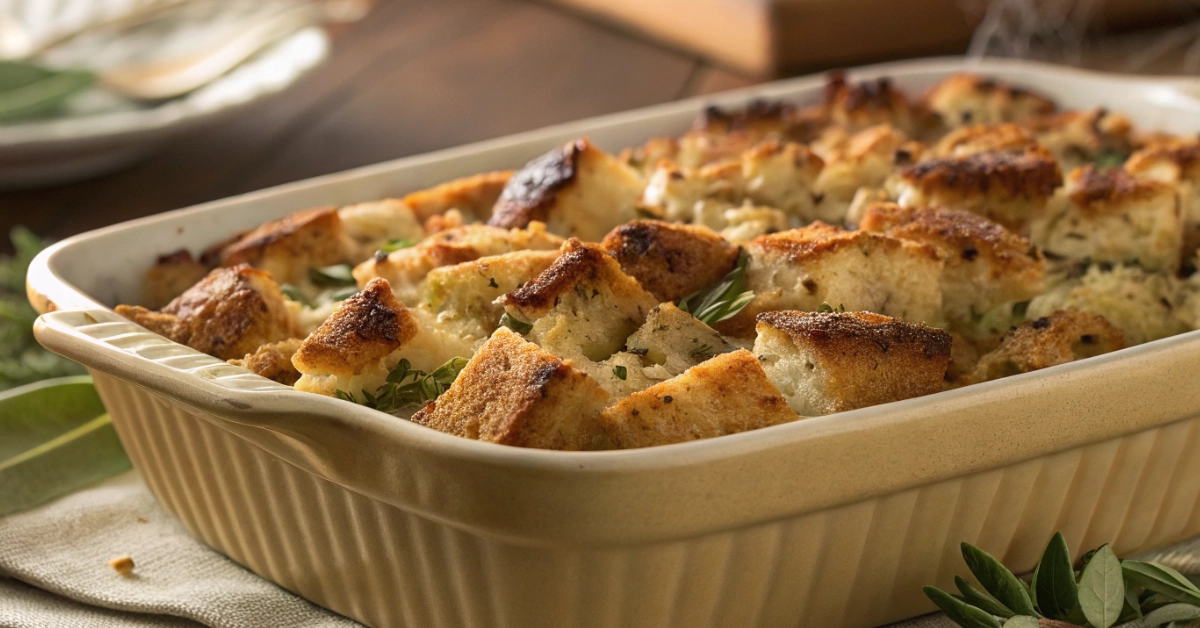
Why Homemade Stuffing is a Must-Have (and Easier Than You Think)
Few dishes evoke the warmth and comfort of a holiday gathering quite like a perfectly crafted batch of homemade stuffing. With its golden, crispy top giving way to a rich, moist, and deeply savory center, it’s the quintessential side dish that truly makes any festive meal feel complete. While some might shy away from making stuffing from scratch, fearing it's a complicated endeavor, we're here to tell you that creating the best homemade stuffing is not only achievable but remarkably straightforward.
Forget the cardboard taste and uninspired texture of pre-packaged mixes. Our guide is dedicated to helping you master an easy homemade stuffing recipe that delivers unparalleled flavor and a delightful contrast of textures every single time. This isn't just about following a recipe; it's about understanding the simple principles that elevate a humble dish into a culinary masterpiece, proving that homemade always triumphs. If you're curious about why embarking on this culinary journey is so rewarding, explore Why Homemade Stuffing Beats Mixes: Customization & Taste to truly appreciate the difference.
The Essential Ingredients for Unforgettable Homemade Stuffing
The magic of a truly remarkable homemade stuffing lies in a handful of simple, high-quality ingredients working in harmony. Each component plays a vital role in building that signature flavor and texture profile we all crave. Here’s a breakdown of the core elements that will form the foundation of your incredible holiday side:
- Stale Bread: The Unsung Hero
This is perhaps the most crucial ingredient. Stale bread, particularly sourdough, French bread, or a good artisan loaf, is paramount because it acts like a sponge, perfectly absorbing the savory liquids without turning mushy. Day-old bread left out to dry overnight works wonders. If you're short on time, you can quick-dry fresh bread cubes in a 300°F (150°C) oven for about 10-15 minutes until lightly toasted and dry. This step prevents soggy stuffing and ensures a fluffy, moist interior. - Rich Butter: Flavor and Sautéing Base
Butter adds incredible richness and helps in sautéing your vegetables, coaxing out their natural sweetness and aromatic compounds. Don’t skimp on good quality butter – it truly makes a difference in the overall flavor. - Fresh Aromatics: Onion, Celery, and Garlic
This classic trio forms the aromatic backbone of almost any great stuffing. Onions and celery provide a gentle sweetness and texture, while fresh garlic adds a pungent depth. Using fresh vegetables is non-negotiable here; they contribute a vibrant flavor that dried alternatives simply cannot match. - Classic Herb Blend: Sage, Rosemary, and Thyme
These herbs are the quintessential flavors of the holiday season. Sage lends an earthy, slightly peppery note, rosemary offers a piney, fragrant essence, and thyme provides a subtle, savory complexity. Using fresh herbs, if possible, will impart a brighter, more pronounced aroma, but quality dried herbs are also perfectly acceptable. - Savory Chicken Stock: The Moisture and Flavor Infusion
Chicken stock (or vegetable stock for a vegetarian option) is vital for keeping the stuffing moist and infusing it with savory goodness. Opt for low-sodium broth so you can control the seasoning yourself, ensuring your stuffing is perfectly balanced, not overly salty. - Eggs: The Binding Agent
Eggs act as a binder, helping to hold the bread and other ingredients together, creating that cohesive, yet tender, texture that defines a great stuffing. They contribute to the moist center and prevent the stuffing from crumbling apart. - Salt & Pepper: The Flavor Enhancers
A generous seasoning of salt and freshly ground black pepper is essential to awaken and enhance all the other flavors, bringing everything into delicious harmony.
Crafting Your Perfect Stuffing: Step-by-Step Guide
Creating that coveted crispy top and moist center for your homemade stuffing is a straightforward process when broken down into manageable steps. Follow these instructions for a truly delightful dish:
Step 1: Prepare Your Bread Cubes
Begin by dicing your stale bread into roughly 1-inch cubes. Uniformity in size helps ensure even absorption and baking. Place them in a large bowl and set aside. This is also the stage where you'd quick-dry fresh bread if needed, as described above.
Step 2: Sauté the Aromatic Vegetables
In a large, heavy-bottomed pot or Dutch oven, melt your butter over medium-high heat. Add the chopped onions and celery. Sauté them for about 8-10 minutes, stirring occasionally, until they become tender and translucent. This process softens their texture and draws out their inherent sweetness. Next, add the minced garlic and cook for another 1-2 minutes until fragrant. Be careful not to burn the garlic, as it can turn bitter. Remove the pot from the heat.
Step 3: Assemble the Flavorful Wet Mixture
While the vegetables cool slightly, stir the chicken stock, sage, rosemary, thyme, salt, and pepper into the cooked vegetable mixture. It's important to allow this mixture to cool down a bit before proceeding. Once it's lukewarm, whisk in the eggs until thoroughly combined. The warmth from the stock will infuse the herbs and seasonings, while cooling prevents the eggs from scrambling when added.
Step 4: Combine Wet and Dry Ingredients
Pour the prepared wet mixture over your bread cubes in the large bowl. Gently toss everything together, using your hands or a large spoon, until all the bread cubes are evenly coated. The key here is to achieve a moist consistency without it becoming soupy or oversaturated. You want the bread to absorb the liquid, but there shouldn't be liquid pooling at the bottom of the bowl. If it feels too dry, you can gradually add a little more warm chicken stock until you reach the perfect level of moisture. This careful balance is vital for the desired texture.
Step 5: Bake to Golden Perfection
Transfer the combined stuffing mixture into a lightly buttered 9x13 inch baking dish or similarly sized casserole dish. Cover the dish with foil and bake in a preheated oven (typically around 350-375°F / 175-190°C) for about 20-30 minutes. This initial covered bake allows the stuffing to cook through and become moist internally. Then, remove the foil and continue baking for another 20-30 minutes, or until the top is beautifully golden brown and irresistibly crispy. A good indicator of doneness is an internal temperature of 165°F (74°C).
Elevate Your Stuffing: Creative Variations and Expert Tips
While our classic homemade stuffing recipe is perfect as is, it also serves as an excellent canvas for culinary creativity. Don't hesitate to experiment and make it truly your own! Here are some ideas and crucial tips to help you customize and perfect your dish:
Creative Variations to Try:
- Hearty Additions: For a more substantial stuffing, cook and crumble pork sausage or turkey sausage and mix it in with your sautéed vegetables.
- Fruity & Nutty Twists: Introduce a touch of sweetness and crunch with chopped dried cranberries, cherries, or apricots. For added texture and earthy notes, toss in chopped pecans, walnuts, or almonds.
- Sweet & Savory Balance: Diced apples (Granny Smith works well for a tart contrast) can add a wonderful sweet and tangy dimension when sautéed briefly with the onions and celery.
- Earthy Depth: Sautéed sliced mushrooms (cremini or shiitake are great) contribute a fantastic umami flavor and depth.
- Fresh Herb Burst: Beyond the classic trio, consider adding fresh chopped parsley, chives, or dill right before baking for a burst of fresh flavor and color.
Expert Tips for the Best Homemade Stuffing:
- Don't Over-Mix: Once the wet and dry ingredients are combined, mix just enough to coat the bread. Over-mixing can compress the stuffing, leading to a denser texture.
- Taste as You Go: Always taste your wet mixture before adding the eggs (and after, if using pasteurized eggs). Adjust salt, pepper, and herbs to your preference. This is your chance to fine-tune the flavor profile.
- The Crispy Top Secret: For an extra crispy top, consider brushing the exposed surface of the stuffing with a little melted butter during the last 10-15 minutes of baking. Some even like to sprinkle a thin layer of panko breadcrumbs for maximum crunch.
- Rest Before Serving: Like many baked dishes, allowing your stuffing to rest for 10-15 minutes after removing it from the oven helps it set and allows the flavors to meld beautifully.
- Stuffing vs. Dressing: Technically, stuffing is cooked inside the bird, and dressing is cooked in a separate dish. However, most modern "stuffing" recipes are baked outside the turkey for food safety and better texture. Our recipe is for a dressing, but we call it stuffing because that's what most people understand it to be!
- Make Ahead Option: You can assemble the stuffing mixture a day in advance, cover it tightly, and refrigerate. Let it come to room temperature for about 30 minutes before baking, and you might need to add an extra 10-15 minutes to the covered baking time.
For more in-depth strategies and clever tricks to perfect your holiday side, be sure to check out Master Homemade Stuffing: Key Tips for Perfect Flavor.
Embracing the simplicity and incredible flavor of homemade stuffing is a game-changer for any holiday meal or special occasion. With this comprehensive guide, you’re now equipped to create a dish that boasts a truly irresistible crispy top and a wonderfully moist center, leaving everyone at your table asking for seconds. So, roll up your sleeves, gather your ingredients, and prepare to impress with this timeless, comforting classic.
