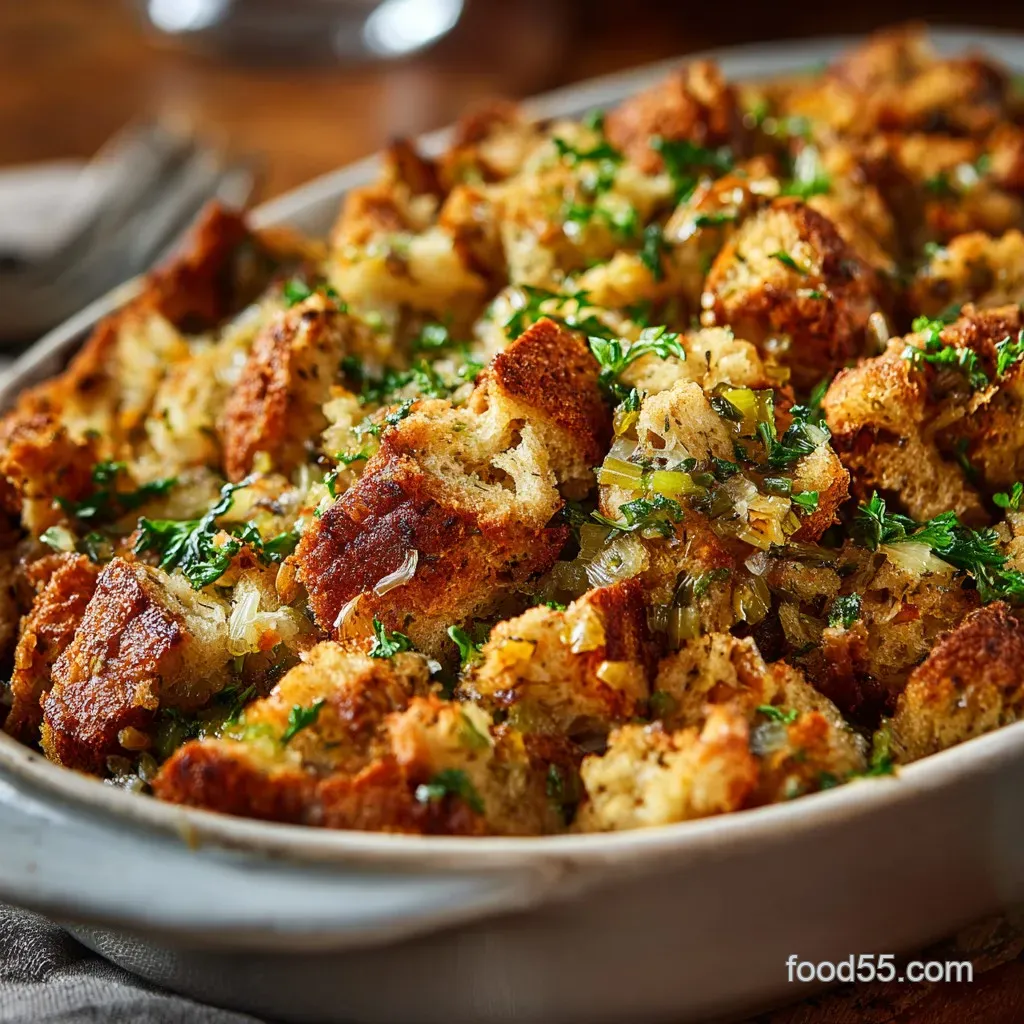
Why Homemade Stuffing Beats Mixes: Customization & Taste
No holiday feast, especially Thanksgiving dinner, feels complete without that iconic, soul-warming side dish: stuffing. For many, it's the undisputed star alongside the turkey. While store-bought mixes promise convenience, the truth is, nothing compares to the unparalleled flavor, texture, and sheer joy of a truly great
homemade stuffing. It's a culinary experience that elevates your entire meal, transforming a simple side into a masterpiece of tradition and taste.
Far from being an intimidating task, crafting homemade stuffing from scratch is a rewarding endeavor that's surprisingly straightforward. This article will delve into why ditching the box for fresh ingredients is a decision your taste buds – and your guests – will thank you for, highlighting the incredible customization possibilities and the superior sensory experience it offers.
The Unbeatable Flavor and Texture of Homemade Stuffing
The most compelling argument for homemade stuffing over its pre-packaged counterparts lies in its superior flavor and texture profile. Boxed mixes often rely on dehydrated ingredients and artificial flavorings, resulting in a one-dimensional taste and a consistently uniform, often mushy, texture. Homemade stuffing, however, sings with vibrant, complex flavors and a delightful interplay of textures.
Think about the base: fresh, aromatic vegetables like sweet onions, crisp celery, and pungent garlic, slowly sautéed in rich butter. This trifecta creates a foundational depth that dehydrated flakes simply cannot replicate. To this, you add a robust blend of fresh herbs – fragrant sage, earthy rosemary, and thyme – which infuse the dish with that classic, comforting aroma synonymous with holiday cooking. These fresh ingredients aren't just for show; they release their essential oils and natural sugars, creating layers of flavor that evolve with every bite.
Then there's the bread. The magic of homemade stuffing begins with stale bread, which acts like a sponge, soaking up all the savory goodness of the chicken stock without disintegrating into mush. This careful balance ensures a moist, flavorful interior, while the outer layer, when baked to perfection, develops that coveted golden, crispy crust. The addition of eggs acts as a binder, holding everything together and contributing to a tender, yet structurally sound, texture that perfectly bridges the gap between fluffy and firm. This combination of rich, savory notes and varied textures – crispy top, tender interior – is the hallmark of truly exceptional
easy homemade stuffing with a crispy top and moist center, something a mix can only aspire to.
Customization is King: Your Stuffing, Your Way
Perhaps the greatest advantage of making stuffing from scratch is the boundless potential for customization. A boxed mix dictates its contents; homemade stuffing provides a blank canvas for your culinary creativity, allowing you to tailor it perfectly to your family's preferences, dietary needs, and even your mood. This flexibility is where homemade truly shines.
The journey of customization often starts with the bread. While sourdough is a favorite for its tangy depth, you can experiment with challah for a richer, slightly sweeter profile, cornbread for a Southern twist, or a hearty whole wheat for a nuttier flavor. The key is using stale bread, as it absorbs liquid without becoming soggy. If you’re short on time, you can quick-dry fresh bread cubes in a low oven for about 10 minutes.
Beyond the bread, the possibilities expand exponentially:
*
Proteins: Elevate your stuffing with cooked and crumbled pork sausage for a hearty, savory boost, or opt for turkey sausage for a leaner alternative. Crispy bacon bits, diced ham, or even oysters for a classic Southern-style stuffing can add incredible depth.
*
Fruits: Introduce a delightful sweet-tart contrast with dried cranberries, cherries, or apricots. For a fresh and tangy note, diced apples (like Granny Smith) work wonderfully, especially when paired with pork.
*
Nuts: Add a pleasant crunch and earthy flavor with chopped pecans, walnuts, almonds, or even roasted chestnuts. These contribute texture and a rich, nutty aroma.
*
Vegetables & Fungi: While onion, celery, and garlic form the essential aromatic base, don't stop there. Sautéed mushrooms (cremini, shiitake, or wild mushrooms) add an umami punch and earthy depth. Roasted butternut squash, spinach, or leeks can also be incorporated for added flavor and nutritional value.
*
Herbs & Spices: Go beyond the classic sage, rosemary, and thyme. Fresh parsley or chives can brighten the flavor, while a pinch of smoked paprika, cayenne, or even nutmeg can introduce subtle new dimensions.
*
Liquids & Binders: While chicken stock is standard, feel free to use vegetable broth for a vegetarian version, or even turkey drippings for an even richer, more integrated flavor. For those avoiding eggs, a flax egg or even a bit of mashed banana can serve as a binder in certain recipes.
This extensive adaptability means you can craft a unique stuffing that reflects your personal taste or culinary heritage. Whether you prefer a robust, savory profile, something sweet and tangy, or a rich, earthy blend, homemade allows you to achieve it.
Demystifying the Process: Homemade Stuffing is Easier Than You Think
The idea of making anything "from scratch" can sometimes feel daunting, especially during the busy holiday season. However, homemade stuffing is remarkably forgiving and simpler to prepare than many imagine. With a few key steps and tips, you can achieve perfection without stress. This isn't a complex gourmet undertaking; it's a straightforward casserole that builds on foundational cooking techniques.
The process typically breaks down into five easy steps:
1.
Prep the Bread: The first step is to dice your chosen stale bread into uniform cubes. This ensures even absorption of liquids and consistent texture. If your bread isn't stale, you can quickly dry it out in a low oven. For more crucial insights into this and other techniques, consider checking out our guide on
Master Homemade Stuffing: Key Tips for Perfect Flavor.
2.
Cook the Vegetables: In a large pot, melt butter and sauté your chopped onions and celery until they become soft and translucent, usually about 8 minutes. This gentle cooking process brings out their natural sweetness. Then, add minced garlic and cook for just another minute or two until fragrant, careful not to burn it. This aromatic base is fundamental to the stuffing's overall flavor.
3.
Make the Wet Mixture: To the cooked vegetables, stir in chicken stock, your chosen herb blend (sage, rosemary, thyme), salt, and pepper. It's crucial to allow this mixture to cool slightly before whisking in the eggs. Adding eggs to a hot mixture risks scrambling them, leading to an undesirable texture.
4.
Combine with Bread: Pour the cooled wet mixture over your prepared bread cubes. Toss everything gently but thoroughly until the bread is nicely coated. The goal here is moist, not soggy, bread. We recommend adding the broth mixture gradually, assessing the saturation level as you go. If it looks too wet, you can always add a few more bread cubes; if too dry, a splash more stock. This delicate balance is vital for the perfect moist-yet-fluffy interior.
5.
Bake: Transfer the mixture into a casserole dish and bake until golden brown and gloriously crispy on top, and moist throughout. You can cover it for part of the baking time to ensure moisture, then uncover to achieve that coveted crispy crust.
This step-by-step approach simplifies the process, making homemade stuffing accessible even for first-time cooks.
Practical Tips for Perfect Homemade Stuffing Every Time
To truly master homemade stuffing, keep these practical tips in mind:
*
Dry Your Bread Properly: This cannot be stressed enough. Stale or properly dried bread absorbs the liquid evenly without becoming a pulpy mass. This is the secret to a stuffing that's moist but not mushy.
*
Use Low-Sodium Broth: Opt for low-sodium chicken or vegetable broth. This allows you complete control over the seasoning, preventing your stuffing from becoming overly salty.
*
Don't Oversaturate: Add the liquid gradually. The bread should be moist, but there shouldn't be any liquid pooling at the bottom of your bowl. If you accidentally add too much, toss in a handful of extra bread cubes.
*
Fresh Herbs Make a Difference: While dried herbs are convenient, fresh herbs provide a brighter, more vibrant flavor and aroma that truly elevates the dish.
*
Cool Before Eggs: Always ensure your vegetable and stock mixture has cooled down before you whisk in the eggs. This prevents the eggs from cooking prematurely and ensures they act as a proper binder.
*
Season Generously and Taste: Don't be shy with salt and pepper. Since you're using fresh ingredients, they'll need proper seasoning to truly shine. Taste the wet mixture before adding the eggs (and the raw bread if you're concerned about raw egg) and adjust as needed.
*
Consider Baking Method: Baking in a separate casserole dish often yields the best results for consistent texture and crispiness. While baking inside the turkey is traditional for some, it can make the stuffing dense and carries food safety concerns if not cooked to a high enough internal temperature.
Conclusion
Embracing the world of homemade stuffing is a transformative culinary decision that promises to elevate your holiday table. From the rich, nuanced flavors born of fresh ingredients to the satisfying interplay of moist interior and crispy crust, it's a sensory experience that pre-made mixes simply cannot replicate. The freedom to customize your stuffing with an endless array of ingredients ensures that every batch can be a unique reflection of your taste and creativity. So, this holiday season, skip the box, embrace the simple joy of cooking from scratch, and create a truly unforgettable homemade stuffing that will become a cherished part of your family's traditions.